
I wanted to understand how sleep actually affects productivity. Not the usual “get 8 hours” advice. The real picture.
Normally I’d open a browser, skim a few articles, and end up with the same recycled tips. Instead, I told my AI agent: “Research everything about sleep and cognitive performance. Include recent studies, what scientists actually disagree on, how naps compare to full cycles, the effect of screen time before bed, and what shift workers do differently.”
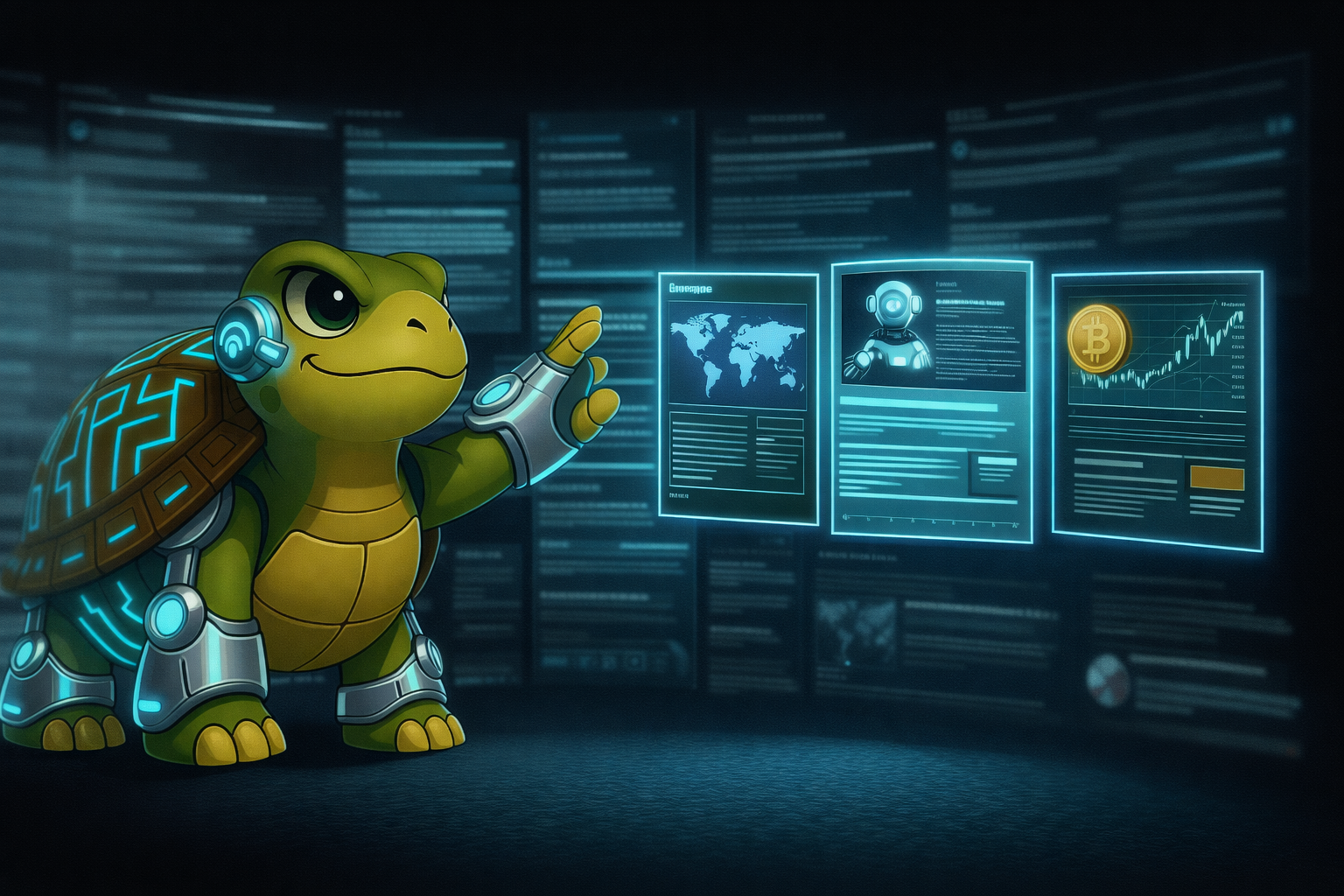
It came back with a synthesis of dozens of sources. PubMed studies I’d never find on my own. Reddit threads from night shift nurses. Contradictions between sleep coaches and neuroscience researchers.
I read the summary in five minutes. And I had a clearer picture than I would have after an evening of googling.
The pattern
Every time I use AI well, I follow the same three steps. I didn’t plan it. The pattern just showed up.
Expand. Ask the AI to go wide. Not “find me an answer” but “explore this whole space.” I want angles I wouldn’t think of. Sources I’d skip. The AI doesn’t get tired after page three. It just keeps going.
This is the part that’s new. We’ve always been able to search. But expanding your search space across dozens of sources, comparing them, catching contradictions? That used to take hours of focused work. Now you describe what you want and the AI covers the ground for you.
Filter. Now there’s too much. So I ask the AI to reduce it. Summarize. Compare. Rank by relevance. Strip the noise. Give me the signal.
This is where most people stop too early. They get raw results and try to process everything themselves. But you already have a machine that reads faster than you. Let it.
Absorb. This is where I come back in. I read the filtered output. Sometimes I listen to it as voice notes while I walk. And something happens that the AI can’t do: I connect it to things I already know. I feel which parts matter for my specific situation.
The AI can tell me what experts think. It can’t tell me which insight changes my next project. That’s still my job.
It’s like asking AI to write the prompt
Here’s a parallel that clicked for me. When you want a good AI prompt, the smartest move is asking the AI to write it for you. “Write me the best prompt for X.” It knows its own format better than you do.
Same thing with research. Tell the AI what you want to understand and let it figure out where to look. You focus on judging the results.
In both cases you’re doing the same thing: using AI for the mechanical part so you can focus on the judgment part.
Fun fact from my CS background
If you’ve worked with distributed systems, this pattern might ring a bell. Google’s MapReduce framework from 2004 did something similar: spread work across many machines (map), then combine results (reduce).
Expand, Filter, Absorb is basically MapReduce for your brain. Except MapReduce was missing the “expand” step. It processes data you already have. This pattern starts by going out and finding data you didn’t know existed.
Small difference. Big deal in practice.
Try it once
Pick something you’re curious about. Don’t search for it yourself. Tell your AI to go wide. Then ask it to compress. Then read what survives.
The tools will change. This specific AI will be outdated eventually. But the framework stays. Expand what you can see. Filter what you don’t need. Absorb what matters.
It’s just easier now to do what was always hard to do manually.
Call to Action
Send this prompt to your AI:
“Research everything about [your topic]. Cover at least 10 sources. Include expert opinions, common misconceptions, recent changes, and practical next steps. Then summarize the top 5 insights ranked by how actionable they are.”
One prompt. Five minutes of reading. You’ll know more than most people who spent a weekend on it.